 By Krishna Dua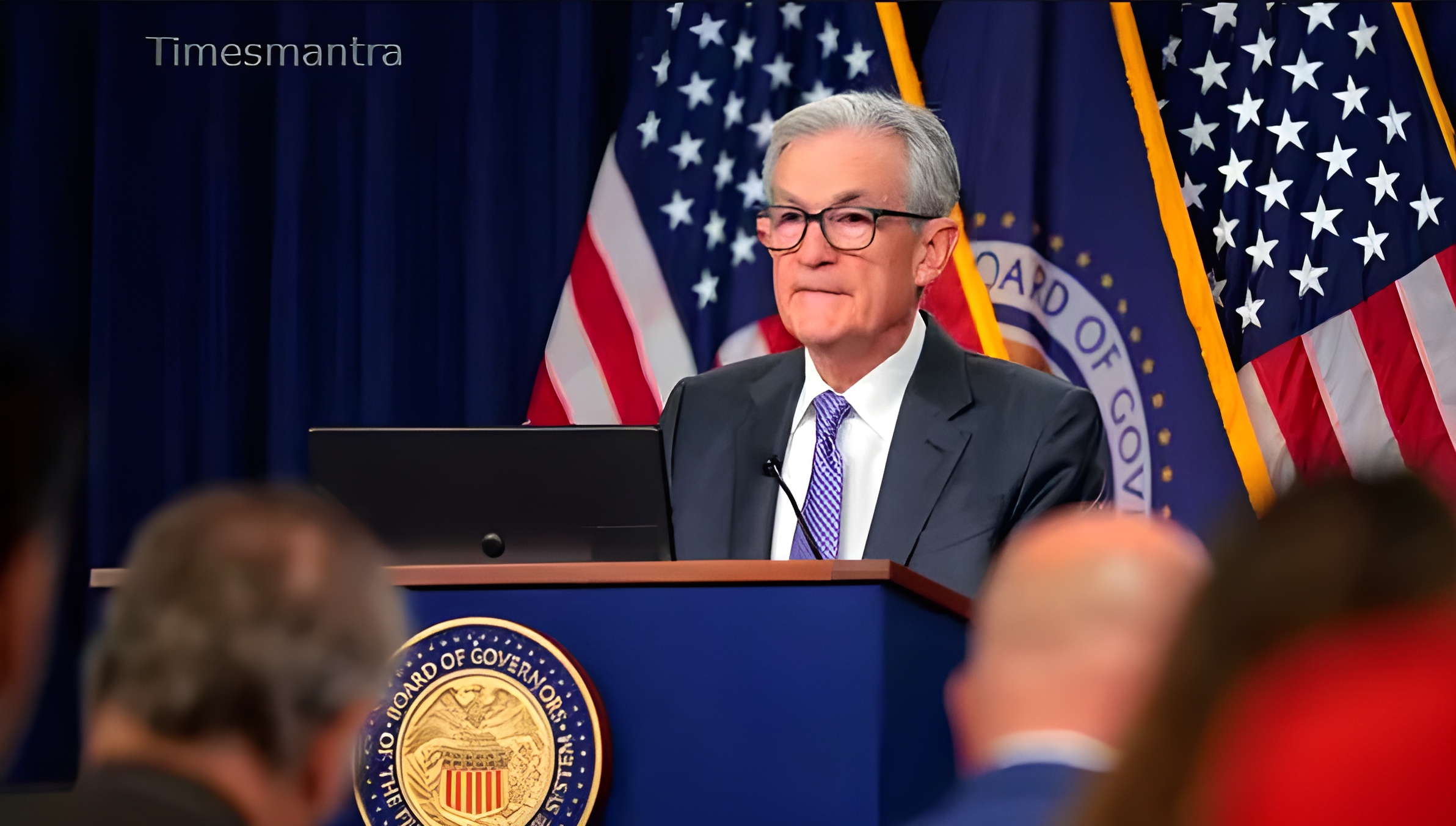
Fed Cuts Rates to 3.50–3.75% as Global Markets Rally in 2025
The Federal Reserve’s boardroom in Washington D.C. reverberated with the weight of global expectations on December 10, 2025, as Chair Jerome Powell unveiled a decisive 50-basis-point cut to the federal funds rate, lowering the target range to 3.50–3.75 percent. This aggressive easing move—the fourth consecutive reduction since July—marks a pivotal pivot in the U.S. central bank’s campaign to nurture economic recovery while keeping inflation’s embers in check. Powell, in his signature measured cadence during the post-meeting presser, described the decision as “a calibrated response to moderating pressures, fostering sustainable growth without overheating.” The unanimous FOMC vote, backed by fresh data showing U.S. CPI easing to 2.0 percent in November—the lowest since 2021—ignited a euphoric rally across global bourses, with the S&P 500 vaulting 3.1 percent to a fresh peak of 6,020 and the Nasdaq Composite soaring 3.8 percent to 19,800. For investors worldwide, the cut translates to a tangible thaw in borrowing costs, potentially unlocking $1.2 trillion in pent-up spending and investment as mortgage rates dip below 6 percent and corporate bond yields soften.
The Fed’s action, telegraphed in Powell’s dovish Jackson Hole address in August, crowns a year of deft de-escalation. Inflation, which scorched at 9.1 percent in mid-2022 amid supply snarls and stimulus surges, has cooled to the central bank’s 2 percent target, unemployment lingers at a benign 4.1 percent, and GDP chugs at 2.9 percent annualized for Q4. Yet, Powell tempered triumph with caution: “We’re vigilant on wage growth at 3.8 percent and geopolitical risks—easing is data-driven, not destination-locked.” The updated dot plot forecasts two additional 25-basis-point trims in 2026, eyeing a neutral 3.00 percent by mid-year, aligning with ECB and Bank of England’s trajectories. For American households, the math is merciful: a $400,000 mortgage at 5.9 percent saves $180 monthly versus July’s 7.2 percent peaks, per Freddie Mac data, while credit card rates ease to 18.5 percent from 20.1 percent. Globally, the dollar’s 1.3 percent slide against a basket of currencies offers emerging markets a lifeline, with India’s rupee strengthening 0.6 percent to Rs 83.10 per dollar.
Inflation’s Icarus Fall: From Inferno to Equilibrium
The Fed’s feint from fight to foster traces a tortuous timeline. Post-COVID largesse—$6 trillion in fiscal firehoses—and Ukraine’s energy upheaval catapulted CPI to 9.1 percent in June 2022, prompting Powell’s “Volcker 2.0” hikes: 525 basis points from March 2022 to August 2023, the briskest barrage since 1980. Core PCE, the Fed’s favored metric, clung to 2.6 percent through Q3 2025, but November’s 2.0 percent print—buoyed by gasoline’s 6.5 percent plunge and shelter’s 3.8 percent moderation—unleashed the unwind.
Powell’s September 50-bp slash to 4.25–4.50 percent, October’s 25-bp to 4.00–4.25 percent, and now December’s deeper dive reward resilient retail (up 0.4 percent in November) and payrolls adding 210,000 jobs. Dissent was nil—Governor Christopher Waller concurred—but the chorus underscores Powell’s “soft landing” symphony. Consumers cash in: auto loans fall to 5.7 percent from 7.0 percent, unleashing $150 billion in vehicle demand per Cox Automotive. Powell’s “no rush to zero” mantra—neutral at 2.5 percent by 2027—steadies savers, with high-yield savings at 4.1 percent post-cut.
Worldwide Wake: Easing’s Echo in EM Economies
The Fed’s fiscal flex fans flames far afield, a monetary monsoon easing EM exhales. India’s rupee’s 0.6 percent rally trims oil import tabs by Rs 6,000 crore quarterly, per RBI estimates, while 10-year G-Secs yield 6.75 percent from 7.0 percent, shaving EMIs for 12 crore housing loans. Finance Minister Nirmala Sitharaman saluted it as “a booster for Amrit Kaal,” with corporate issuances eyed at Rs 13 lakh crore in FY26. Brazil’s real rallied 1.4 percent, Central Bank’s Selic at 10.00 percent now looks prescient, while Turkey’s lira gained 1.0 percent to 32.50/$, easing Erdogan’s 45 percent inflation crusade.
EM debt, $8 trillion in dollar denomination, sighs relief: JPMorgan’s EMBI spreads narrowed 30 bps to 340 bps, unlocking $180 billion in FDI. China’s yuan appreciated 0.5 percent to 7.05/$, PBOC’s room widens for $1 trillion stimulus amid 4.7 percent GDP. Caveats cloud: dollar weakness boosts U.S. exports, straining India’s $45 billion trade gap; commodities stabilize—Brent at $66/bbl, gold $2,620/oz—but volatility vexes.
Wall Street Waltz: Equities Ecstasy, Bonds’ Balm
U.S. exchanges echoed euphoria. Dow Jones leaped 1,400 points (3.2 percent) to 42,700, Nasdaq vaulted 4.0 percent to 19,000, Russell 2000 small-caps rocketed 4.5 percent, their rate radar rejoicing. Tech behemoths like Nvidia (+3.5 percent) and Amazon (+2.9 percent) rode the rocket, banks like Wells Fargo (+1.8 percent) braced for NIM nibbles. VIX volatility vortex plunged 15 percent to 13.8, serene as a summer sky.
Bonds beamed: 10-year Treasuries yields slipped to 3.80 percent from 4.05 percent, a $600 billion windfall for Uncle Sam. Corporate investment-grade spreads tightened 12 bps to 92 bps, greasing $1.4 trillion issuances. Housing hallelujah: pending home sales forecast to surge 9 percent to 4.3 million units in 2026, per NAR’s Lawrence Yun. Powell’s “gradual glide” guidance—75 bps 2026 cuts—assuages savers, CDs at 4.0 percent.
Powell’s Prudence: Juggling Juggernauts in a Jittery Jungle
Jerome Powell, 72 and Fed helmsman since 2018, juggles with Jedi juggernauts. Trump appointee, Biden reappointed, his “Volcker-lite” volleys vanquished inflation sans slump—the U.S. sidestepped 2023’s downturn that dinged peers. December’s 50-bp balm, bold but buffered, rewards resilient retail and jobs. Dot plot’s 75 bps 2026 trims project poised piloting, Powell’s “wait, watch, weigh” warding wage whirls (3.7 percent YoY).
Critics cavil: progressives like Ro Khanna cry “too tepid,” conservatives like Kevin Brady bay “ballot-box bait.” Powell’s poise preserves prestige, his 2025 Jackson Hole jeremiad—”Inflation’s adversary, jobs’ ally”—a blueprint for balance.
Global Growth Groove: Easing’s Echo Chamber
Fed’s feint fans flames afar. Eurozone’s ECB, Christine Lagarde leading, eyes December 25-bp to 3.00 percent, euro edging 0.7 percent to $1.085. UK’s BoE, Andrew Bailey at bay, trims to 4.25 percent, sterling strengthening 0.8 percent. Japan’s BoJ, Kazuo Ueda unyielding, holds 0.25 percent but yen yields 1.0 percent to ¥141/$, easing energy eats.
EMs exhale: Indonesia’s rupiah rallies 0.6 percent, BI’s 5.75 percent steady. South Africa’s rand surges 1.3 percent to R17.70/$, SARB’s 8.00 percent pause prudent. Commodities calm: Brent crude eases to $65/bbl, gold to $2,610/oz.
Verdict: Easing’s Elixir or Echo of Excess?
Powell’s 50-bp balm to 3.50–3.75 percent eases global girth, a monetary massage massaging growth from gloom. Borrowing’s balm boosts billions, but bubbles beware—equities’ ecstasy eyes excess. In finance’s fine filigree, the Fed’s feint fosters fortune, a global gambit gilding 2026’s gleam.