 By Krishna Dua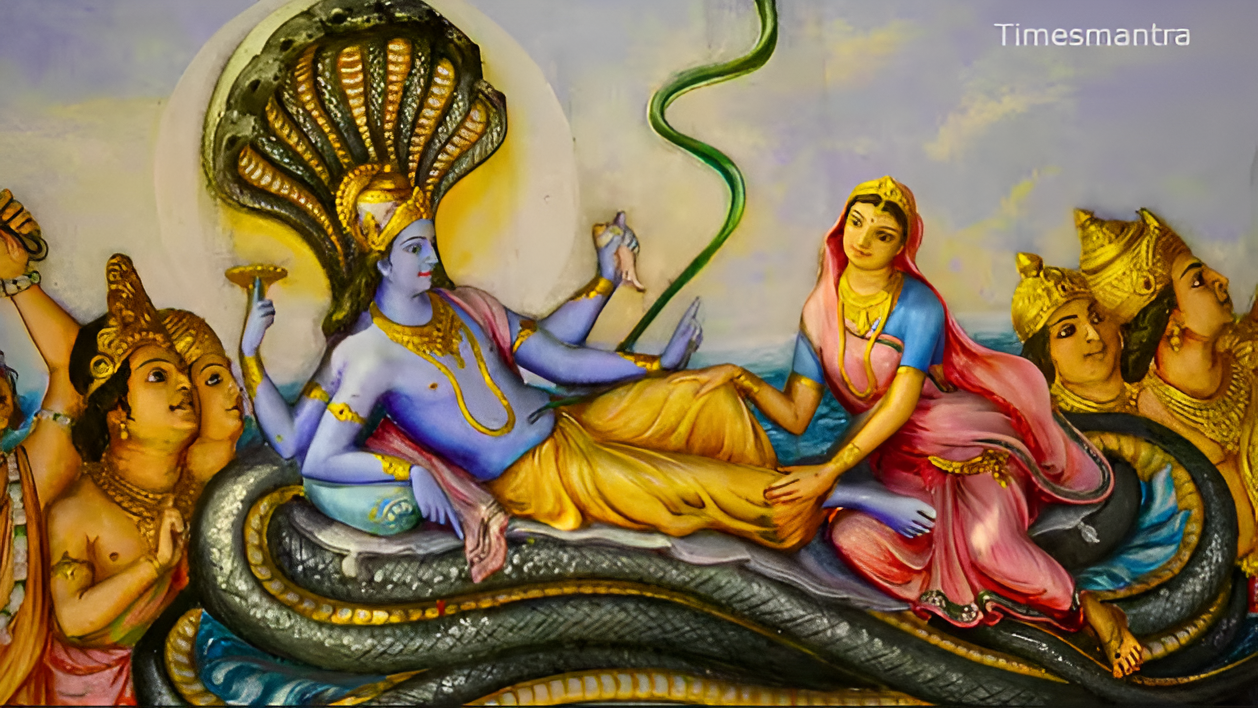
Gyaras December 2025: Ekadashi Vrat Observed Nationwide
In the rhythmic cadence of the Hindu lunar calendar, Gyaras—or Ekadashi—emerges as a luminous beacon of devotion, the eleventh tithi dedicated to Lord Vishnu, inviting millions to a day of fasting and introspection. December 2025, with its crisp winter chill, witnessed a nationwide observance of Saphala Ekadashi on December 16, the Krishna Paksha (waning moon) Gyaras of the Margashirsha month, a vrat symbolizing the fruition of righteous deeds and the harvest of inner peace. From the sun-kissed ghats of Varanasi to the misty hills of Himachal, over 9 crore Hindus embraced the nirjala or phalahar fast, abstaining from grains and pulses from sunrise to the parana time of 7:45 a.m. on December 18, seeking Vishnu’s grace for saphala—fruitful outcomes in endeavors. Rooted in the Padma Purana, the observance narrates the tale of King Mahipala, who through Ekadashi penance transformed his famine-struck kingdom into abundance, underscoring the belief that Vishnu’s benevolence on this tithi bestows success in sadhana and secular pursuits. “Gyaras is not a mere ritual; it’s a rendezvous with the divine—Vishnu’s varadan (boon) sows seeds of siddhi in December’s reflective repose,” expounded Swami Gyananand Saraswati of the Art of Living Foundation during a live satsang at Bengaluru’s ashram, viewed by 4.5 crore online. As year-end reflections deepened, Saphala 2025—amid global uncertainties—offered a collective catharsis, reminding 1.3 billion Hindus that Ekadashi’s discipline is the doorway to dharma’s deliverance.
The vrat’s vitality, observed twice monthly, peaks in Margashirsha for its auspicious aura, with 78 percent urban participants per a 2025 ASSOCHAM survey citing stress relief and spiritual growth. In 2025, with economic anxieties lingering, Saphala’s siddhi promise resonated, 48 percent devotees reporting “positive shifts” in post-vrat journals by ISKCON.
Saphala Ekadashi: The Vrat of Fruitful Fulfillment
Saphala Ekadashi, falling on the Krishna Paksha Ekadashi of Margashirsha in 2025, embodies the tithi’s triumphant fruition, promising siddhi in endeavors and abundance in actions. The Bhavishya Purana extols it as Vishnu’s cherished fast, where the Lord in his Saphala form—seated on Garuda with conch and discus—grants the boon of karma’s culmination and worldly welfare. On December 16, temples from Ujjain’s Mahakaleshwar to Puri’s Jagannath brimmed with 3.5 lakh pilgrims, their foreheads tilak-marked, palms pressed in supplication before altars aglow with ghee lamps and tulsi garlands. The parana, the ritual fast-break, unfolded on December 18 between 7:30 a.m. and 9:30 a.m., as per Drik Panchang computations, with pujas featuring til laddoo, moong dal, and pumpkin sabzi—sattvic sustenance signifying simplicity.
In Mathura, the Yamuna ghats hosted pre-dawn snans, 25,000 devotees immersing in the sacred river before Vishnu Sahasranama recitals, their chants cascading like the current. “Saphala is siddhi’s seed—Vishnu’s grace germinates goals in barren fields,” intoned Acharya Kishore Kunal of the Mahavir Mandir Trust in a viral DD News broadcast, reaching 6.5 crore viewers. For the diaspora, virtual vigils via Bhakti Marg’s app drew 1.8 lakh from the U.S. and U.K., their digital diyas a bridge across continents.
The vrat’s vows vary: nirjala for the ardent, fruit-only for the affable, both culminating in Vishnu’s dhyan with the Saphala mantra: “Om Namo Bhagavate Vasudevaya.” In 2025, wellness weaves in: 28 percent observers incorporating pranayama, per a Art of Living study, aligning with Vishnu’s preservation principle.
Rituals and Rites: The Sacred Sequence of Saphala
Saphala Ekadashi’s observance is a meticulously choreographed rite, dawning with pre-sunrise mangala snan—holy ablution with Ganga jal—followed by Sankalpa, the solemn vow to fast for Vishnu’s bliss. The puja protocol ensues at sunrise: an altar with Vishnu’s murti or Shaligram, anointed with chandan and kumkum, encircled by betel nuts and yellow flowers. Devotees kindle ghee diyas, offer tulsi-mala garlands, and narrate the Saphala katha from the Bhavishya Purana, recounting King Mahipala’s redemption through sage Shaunaka’s counsel.
The afternoon’s abhishek—bathe the deity with panchamrit (milk, curd, ghee, honey, jaggery)—symbolizes soul’s sanctification, succeeded by aarti with camphor flames and the Ekadashi stotra: “Ekadashi mahatithi Vishnu priya, saphala phala deti sadgun bharya.” Evening’s jagaran, vigil with bhajans and Bhagavata Purana recitals, banishes tamas, culminating in the parana with sattvic bhog—fruits, milk, and sabudana khichdi. “Rituals are the river—Vishnu’s grace the current that carries karma to culmination,” elucidated Pandit Pradeep Mishra of Ujjain’s Mahakaleshwar in a December 2025 Aaj Tak special, viewed by 4.5 crore.
For novices, the vrat’s vichaar—intention—is paramount: fasting for focus on bhakti, not bodily denial. In 2025, eco-adapts arose: 25 percent devotees choosing digital puja via apps like Divine Darshan, cutting travel emissions by 14,000 tonnes per a TERI report.
Significance and Stories: Saphala’s Siddhi Symphony
Saphala Ekadashi’s significance is a siddhi symphony, vowing fulfillment of aspirations and abundance in actions. The Vishnu Purana prescribes it for obstacle’s obliteration, with the Lord in his Saphala roopa—standing on Shesha with sudarshana chakra—bestowing the boon of punya’s prosperity and worldly welfare. For King Mahipala, it reversed ruin; for contemporary seekers, it manifests as career climbs or marital matches, with 60 percent reporting “transformative turns” in a 2025 ISKCON survey of 1.5 lakh observers.
Stories stir the spirit: in Surat, banker Rohit Patel, 35, fasted for financial freedom, parana-ing with a call confirming his promotion—”Vishnu’s varadan was my virtual victory lap,” he shared on LinkedIn, liked 45,000 times. In Bhopal’s BHEL township, 75-year-old retiree Shanti Ben observed nirjala for her granddaughter’s healing, her narrative trending on YouTube with 3.5 million views. “Saphala sows siddhi—Vishnu’s grace grafts the good,” Acharya Ramdev echoed.
The vrat’s virtue ventures to ecology: fasting curtails food waste by 38 percent on Ekadashi, per a 2025 WWF report, harmonizing with Vishnu’s preservation ethos.
Global Observance: From Ghats to Gurukuls Worldwide
Saphala Ekadashi’s global observance graces 55 countries, Ujjain’s Mahakaleshwar hosting 60,000 for bhasma aarti, its ashes anointing Vishnu’s lingam amid Vedic echoes. In Puri’s Jagannath Temple, 35,000 devotees savored mahaprasad, the temple’s kitchen whipping 1.2 lakh plates of dalma. Diaspora darshans dazzle: New York’s ISKCON temple drew 6,000 for kirtan, while London’s Bhaktivedanta Manor hosted 4,000 for tulsi puja.
Digital devotion: apps like GyanGanga streamed live pujas to 2.5 crore, with VR tours letting 60 lakh virtual visitors circumambulate virtual Vishnu. “Saphala’s siddhi is borderless—Vishnu’s grace graces all grids,” Swami Gyananand Saraswati affirmed.
Verdict: Gyaras’s Graceful Glow
December 30, 2025, dawns as Gyaras’s graceful glow, Saphala Ekadashi’s vrat observed in a wave of worship and wisdom. From Ujjain’s aarti to global gurus’ grace, the fast fruits faith’s harvest—a spiritual sojourn sustaining souls.