 By Krishna Dua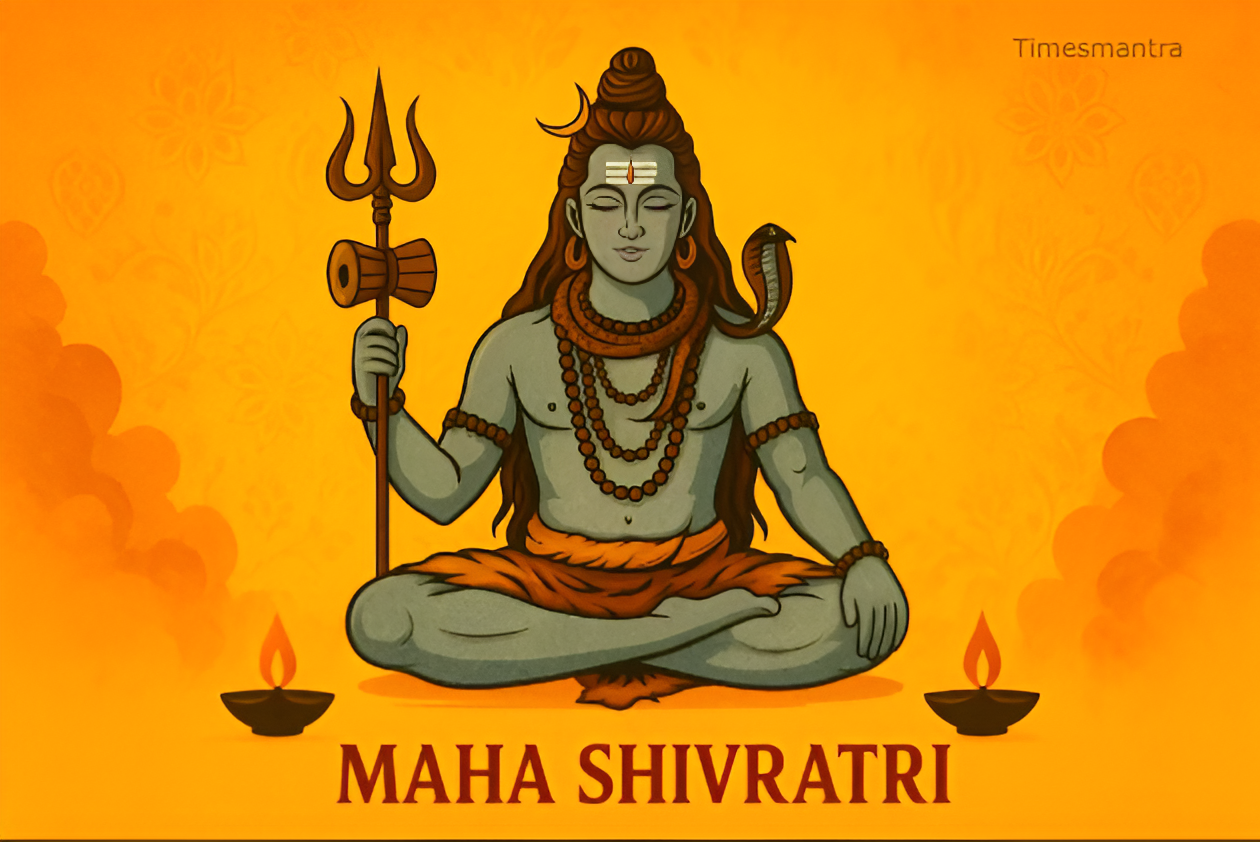
Maha Shivratri Tomorrow: Date, Puja Muhurat & Rituals
Tomorrow, Sunday 15 February 2026, marks Maha Shivratri — one of the most sacred and energetically charged nights in the Hindu calendar. Observed on the Krishna Chaturdashi tithi of Phalguna month, this festival is dedicated to Lord Shiva in his form as the supreme yogi, destroyer of ignorance, and cosmic dancer. Millions of devotees across India and the world will fast, stay awake through the night, perform Abhishekam, chant mantras and meditate, seeking Shiva’s grace for spiritual purification, obstacle removal and ultimate liberation.
Maha Shivratri is considered especially powerful because it falls on the day when the moon is closest to the Earth and planetary alignments are believed to create a natural upward current of energy in the human system, making meditation and mantra sadhana highly effective.
Exact Date & Tithi Timings in 2026
According to the widely accepted North Indian (Ujjain/Varanasi/Delhi) and South Indian panchang:
- Krishna Chaturdashi tithi begins: Saturday, 14 February 2026 at 17:42 IST
- Krishna Chaturdashi tithi ends: Sunday, 15 February 2026 at 16:28 IST
Most Auspicious Puja Windows:
- Nishita Kaal (midnight – highest potency for Abhishekam, Rudrabhishek & japa): Starts: 00:07 a.m. on 15 February Ends: 00:56 a.m. on 15 February Peak Nishita Muhurat (best moment for main rituals): ≈ 00:31 a.m.
- Ratri Prahar (four night divisions – 14–15 February): First Prahar: 18:30 p.m. – 21:30 p.m. (14 Feb) Second Prahar: 21:30 p.m. – 00:30 a.m. Third Prahar: 00:30 a.m. – 03:30 a.m. Fourth Prahar: 03:30 a.m. – 06:30 a.m.
Other Important Timings (Delhi approximate):
- Sunrise: 15 February ≈ 07:08 a.m. IST
- Moonrise: 14 February ≈ 19:00 p.m. IST
- Moonset: 15 February ≈ 08:15 a.m.
The principal Shiva Abhishekam, Rudrabhishek, Shiva-Parvati vivah puja and night-long jagran are performed during Nishita Kaal or the Third/Fourth Prahar on the night of 14–15 February. The vrat (fast) is observed throughout 15 February and broken after morning puja or after moon sighting on 15 February evening (regional variations exist).
Spiritual & Mythological Significance
Maha Shivratri is called the “Great Night of Shiva” because several transformative events in Puranic lore are said to have occurred on this night:
- Shiva performed the cosmic Tandava Nritya — the dance of creation, preservation and destruction — to save the universe from impending annihilation
- During Samudra Manthan (churning of the ocean), Shiva swallowed the deadly Halahala poison to protect all beings, turning his throat blue (Neelkantha)
- Shiva married Goddess Parvati on this night
- Shiva manifested as an infinite pillar of fire (Jyotirlinga) to settle the supremacy dispute between Brahma and Vishnu
Scriptures (Shiva Purana, Linga Purana, Skanda Purana) state that sincere worship, fasting, night-long jagran and meditation on Maha Shivratri can destroy sins accumulated over many lifetimes, remove ignorance, grant spiritual awakening and ultimately lead to moksha.
The night is also considered especially potent for sadhana because the planetary positions create a natural upward flow of energy in the human system, making mantra repetition and meditation highly fruitful.
Principal Rituals & Puja Vidhi
- Early Morning Holy Bath & Sankalp Rise before sunrise, take a ritual bath (preferably in a holy river or at home) and make a sankalp (vow) to observe the fast and worship Shiva with full dedication.
- Shiva Linga Abhishekam The core ritual is continuous Abhishekam of the Shiva Linga with Gangajal, milk, curd, ghee, honey, sugar, sugarcane juice, coconut water, panchamrit and — most importantly — fresh bilva (bel) leaves. Nishita Kaal (midnight) is the most potent time.
- Rudrabhishek / Laghurudra Performed in most Shiva temples with 11 priests chanting Sri Rudram 11 times. Devotees sponsor this for family protection, obstacle removal and wish fulfilment.
- Bilva Patra Offering Offering three-leaved bilva leaves is most dear to Shiva. Each leaf represents the trinity (Brahma–Vishnu–Mahesh). Even one leaf offered with pure devotion is said to please Mahadeva immensely.
- Night-Long Jagran & Chanting Stay awake all night singing Shiva bhajans, chanting “Om Namah Shivaya” (minimum 1,008 or 1,25,000 repetitions for serious sadhaks), reciting Shiva Purana or meditating on the Shiva Tattva.
- Shiva-Parvati Vivah Puja In many households and temples the divine wedding of Shiva and Parvati is ritually performed with small idols or pictures.
- Breaking the Fast Fast is broken on 15 February after morning puja or after moon sighting in the evening (regional variations exist).
Fasting Guidelines (Vrat Rules)
Strict / Nirjala Fast
- No grains, no salt, no onion-garlic
- Allowed: fruits, milk, curd, sabudana (sago), makhana (fox nuts), singhada flour (water chestnut), kuttu atta (buckwheat), rajgira (amaranth), sendha namak (rock salt), water, tea/coffee without sugar
- Popular dishes: sabudana khichdi, kuttu puri/paratha, rajgira halwa, makhana kheer, fruit salad, milk-based sweets
Light / Partial Fast
- One meal in the evening after puja
- Avoid non-vegetarian food, alcohol, onion-garlic, pulses, rice, wheat
General observance rules:
- No eating after sunset on 14 February until puja on 15 February morning
- Avoid anger, lying, gossip, negative thoughts
- Chant “Om Namah Shivaya” continuously
- Sleep on floor or simple bedding if possible
Observance Across India & Regional Variations
- North India — Mass Ganga snan at Haridwar, Rishikesh, Varanasi; all-night kirtan at Kashi Vishwanath, Mahakaleshwar Ujjain, Baijnath, Kedarnath
- South India — Massive abhishekam at Chidambaram, Rameshwaram, Madurai Meenakshi, Kanchipuram Ekambareswarar, Srisailam, Kalahasti
- Maharashtra — Grand celebrations at Trimbakeshwar, Bhimashankar, Grishneshwar, Aundha Nagnath, Parli Vaijnath
- West Bengal & Odisha — Shiva-Parvati vivah with great fervour; night-long jagran at Tarakeswar, Dakshineswar, Lingaraj Temple
- Nepal — Pashupatinath temple receives lakhs of pilgrims; Sadhus perform elaborate fire rituals
Conclusion: A Night of Deep Spiritual Power
Maha Shivratri 2026 arrives tomorrow night (14–15 February) as a profound opportunity for inner awakening. Whether through elaborate temple Abhishekam, simple home worship, strict fasting, night-long chanting or silent meditation on “Om Namah Shivaya”, the night invites every seeker to dissolve ego, burn past karma and connect with the eternal Shiva consciousness.
May the blessings of Mahadeva bring peace, strength, wisdom, protection and liberation to every home on this sacred night.