 By Krishna Dua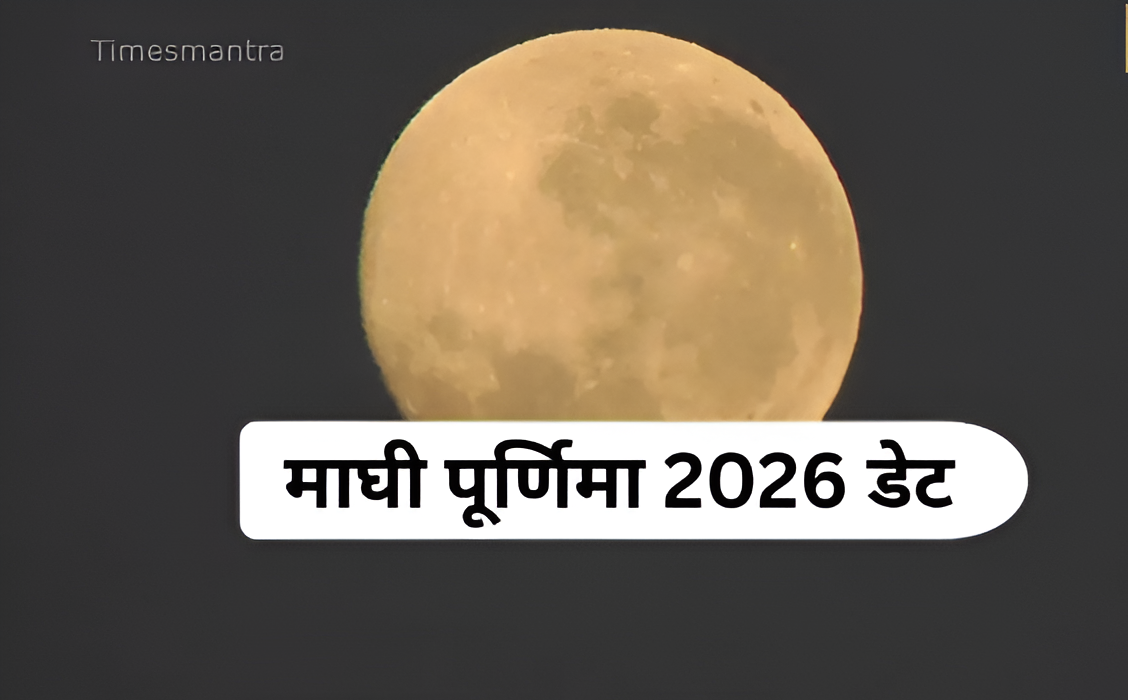
Maghi Purnima 2026: Date, Time, Rituals and Significance
Maghi Purnima 2026 falls on Sunday, 1 February 2026. This full-moon day in the Hindu lunar month of Magha (Māgha Pūrṇimā) is one of the most spiritually potent occasions in the Sanātana Dharma calendar. It is celebrated with immense devotion across India, especially at sacred riverbanks, temple towns and pilgrimage centres. For millions of devotees, the day combines the sanctity of a major Purnima with the commencement of the annual Magh Mela at Prayagraj, the appearance day of Madhvacharya in several Vaishnava traditions, and the opportunity to perform austerities whose merit is believed to be multiplied many times over.
According to most widely followed North Indian panchangs (Ujjain / Varanasi / Delhi timings):
- Purnima tithi begins: Saturday, 31 January 2026 at 11:42 a.m. IST
- Purnima tithi ends: Sunday, 1 February 2026 at 12:18 p.m. IST
- Most auspicious bathing & ritual window (Madhyāhna Purnima moment): 1 February 2026, approximately 12:30 p.m. – 1:15 p.m. IST
- Sunrise: 1 February 2026 ≈ 7:05–7:15 a.m. IST (Delhi)
- Moonrise: 1 February 2026 ≈ 17:48–17:55 p.m. IST
Most devotees therefore observe the principal rituals—holy dip, tarpan, charity and worship—on Sunday, 1 February 2026.
Spiritual & Scriptural Significance
Maghi Purnima derives its name from the month of Magha and the fact that it is a full-moon day (Pūrṇimā). Several Puranas (Padma Purana, Skanda Purana, Matsya Purana) describe it as one of the four “Atirātri Purnimas” (supremely auspicious full moons) of the year, alongside Vaishakhi, Kartiki and Paushi Purnima. The merit earned by charity, fasting, bathing and japa on this day is traditionally said to be one lakh times (100,000 times) greater than on an ordinary full moon.
Key reasons for its exceptional sanctity:
- The Sun resides in Capricorn (Makar rāshi) during Magha, a period associated with austerity, discipline and the removal of sins.
- The full moon frequently falls in or near Pushya nakshatra, one of the most auspicious lunar mansions for spiritual activities, charity and initiations.
- It marks the traditional beginning of the Magh Mela at Prayagraj, which serves as a preparatory gathering before the much larger Kumbh Mela cycles.
- According to Madhva sampradaya tradition, 1 February 2026 is the appearance day (tirobhava / avatara divasa) of Shri Madhvacharya, the 13th-century philosopher-saint who propounded Dvaita Vedanta.
The most famous scriptural endorsement comes from the Padma Purana:
“On the full-moon day of Magha, one who takes bath in a holy river, gives charity and worships Vishnu with devotion obtains merit difficult even for the gods to attain.”
Principal Rituals and Observances
- Holy Dip (Snan) The central act is taking a ceremonial bath in a sacred river or confluence at sunrise or during the most auspicious portion of the tithi. The Triveni Sangam at Prayagraj is considered supreme, followed by Haridwar, Varanasi, Nashik, Ujjain, Allahabad ghats, Godavari at Nashik, Kaveri at Srirangam, and local holy tanks and rivers.
- Pitru Tarpan & Shraddha Offering sesame-water (til-tarpan), pinda-daan and prayers to ancestors is considered especially fruitful. Many people perform tarpan at the sangam or at home facing the sun with black sesame, water and kusha grass.
- Daan (Charity) Giving food, clothes, blankets, sesame seeds, jaggery, ghee, umbrellas, shoes and money to the needy is highly recommended. Donating to temples, sadhus and Brahmins is also common.
- Fasting & Upavasa Many devotees observe a full-day fast (nirjala or phalahar) or partial fast (fruits, milk, root vegetables). The fast is broken after evening puja on 1 February.
- Worship & Japa Special puja to Lord Vishnu, Shiva or Surya is performed. Chanting Vishnu Sahasranama, Gayatri Mantra, Madhva stotras or Hanuman Chalisa is popular. In Madhva temples, special abhishekam and pravachana on Madhvacharya’s teachings take place.
- Magh Mela at Prayagraj The annual Magh Mela formally concludes on Maghi Purnima with the main Shahi Snan. In 2026 the Uttar Pradesh government has allocated ₹680 crore for infrastructure and security. More than 3 crore pilgrims are expected during the 45-day mela period (12 January – 3 February 2026).
Regional Observances Across India
- North India — Mass bathing at Haridwar, Rishikesh, Prayagraj, Kurukshetra, Pehowa and Garhmukteshwar. Sesame-jaggery sweets (til-gur) and til-laddu are distributed.
- Bengal & Odisha — Observed as Poush/Magha Purnima; special bhog offered to Jagannath, Shiva and Vishnu temples.
- South India — Known as Thai Poosam / Māgha Pūrṇimā in Tamil Nadu; grand abhishekam at Murugan temples (Palani, Tiruchendur, Swamimalai). In Karnataka, many Madhva families observe the day as Madhvacharya Jayanti.
- Maharashtra & Gujarat — Bathing at Triveni Sangam rivers in Nashik, Godavari ghats and Somnath; charity of food and blankets is prominent.
- Nepal — Thousands bathe at Pashupatinath, Devghat and other river confluences.
Astrological & Muhurat Details (Delhi / North India)
- Sunrise: 1 February 2026 ≈ 7:08 a.m. IST (Delhi)
- Most auspicious bathing window: 6:30 a.m. – 9:30 a.m. (Brahma Muhurta to mid-morning)
- Madhyāhna Purnima moment (peak merit): ≈ 12:30 p.m. – 1:15 p.m.
- Moonrise: ≈ 17:50 p.m. IST
- Pushya nakshatra prevails during much of the tithi, considered highly auspicious for spiritual activities, charity and initiations.
Many devotees prefer the pre-sunrise or sunrise bath for maximum merit.
Modern Observance and Social Media Trends in 2026
In 2026 Maghi Purnima coincides with a Sunday and comes immediately after Republic Day, creating a long weekend for many. Several temples (Kashi Vishwanath, Tirupati, Sabarimala, Shirdi, Siddhivinayak) have announced extended darshan hours and live-streaming of special pujas. ISKCON centres across India and abroad will hold 24-hour kirtan and prasadam distribution.
Social media hashtags #MaghiPurnima, #AuspiciousSnan, #PrayagrajMela2026 and #MadhvacharyaJayanti are trending since 30 January. Many users are sharing sunrise bath selfies from Prayagraj, Haridwar and local rivers, along with messages of charity and forgiveness.
Conclusion: A Day of Cleansing, Charity and Renewal
Maghi Purnima 2026 arrives at a time when the world faces multiple crises—climate change, social polarisation, economic uncertainty. The festival offers a timeless message: purification of body and mind, compassion toward all beings, and faith in divine mercy can overcome any darkness.
Whether one stands in the sangam at Prayagraj, bathes in a local holy river, fasts at home, gives charity to the needy, or simply remembers the teachings of Madhvacharya and the ideals of the Bhagavad Gita, Maghi Purnima invites every seeker to renew their spiritual commitment.
May the full moon of Magha bring peace, clarity, forgiveness and compassion to every heart.